Wondering whether a townhome in Germantown could give you the right mix of space, convenience, and everyday ease? If you want a home that feels connected to parks, shopping, commuter routes, and established neighborhoods, Germantown is worth a closer look. Townhome living here tends to appeal to buyers who want a practical suburban setup without feeling far from things to do. Let’s dive in.
Germantown offers planned suburban living
Germantown is a large Montgomery County community with a distinctly suburban layout. According to Census QuickFacts, it has 91,249 residents and 31,828 households, which gives it the feel of a sizable, active residential area rather than a small town center.
The community was envisioned as six villages organized around a designated town center. That planning framework still shapes how Germantown feels today, with residential neighborhoods, shopping areas, office uses, and public spaces woven together across the community.
For you as a buyer, that often means townhome living is part of a broader neighborhood system. You are not just choosing a home. You are also choosing how close you want to be to trails, retail, recreation, and commuter connections.
Townhomes fit Germantown’s established character
One of the biggest things to expect from Germantown townhome living is an established setting. Montgomery Planning notes that updated zoning is meant to preserve the area’s low- to medium-density character and keep building height and bulk consistent with the built environment.
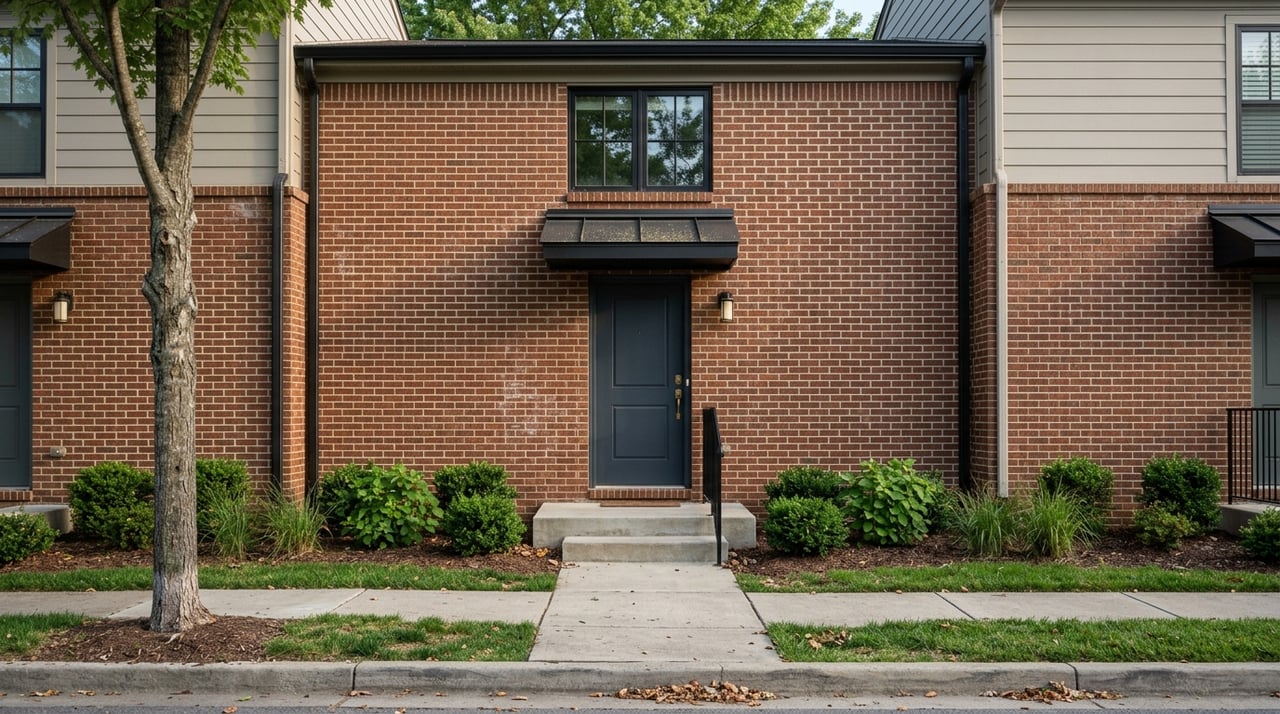
In plain terms, many townhome communities here feel mature and settled. You will often see neighborhoods that have had time to grow in, with developed streetscapes, common areas, and a more rooted feel than a brand-new expansion area.
The Churchill Village and Waters Landing area is a good example. Planning documents describe a mix of detached homes, townhomes, and multifamily housing, with much of the area developed from about 1960 through 1994.
HOA living is common in townhome communities
Many Germantown townhome neighborhoods are organized around homeowners associations. In areas like Churchill Village and Waters Landing, planning documents note that property owners generally belong to HOAs that maintain common grounds, swimming pools, community centers, recreation facilities, and other amenities.
That matters because your day-to-day experience may include shared neighborhood features beyond your own front door. Instead of focusing only on the home itself, you may also want to look closely at what the HOA maintains and how the community is set up.
When you tour townhomes, it helps to ask practical questions such as:
- What common areas does the HOA maintain?
- Are pools, recreation areas, or community buildings included?
- What exterior responsibilities belong to the owner?
- Are there community rules that affect parking or exterior changes?
If you like a more streamlined lifestyle, that structure can be appealing. It can also make comparing one Germantown townhome community to another especially important.
Outdoor access is a major lifestyle perk
If you picture townhome living as tight rows of homes with little green space, Germantown may surprise you. Open space is a central feature of the community, with trails, recreation areas, conservation areas, playgrounds, sports fields, swimming pools, Lake Churchill, and Little Seneca Lake all noted in the Germantown Town Sector Plan.
That means your outdoor options can extend far beyond a small patio or nearby sidewalk. In many parts of Germantown, the larger setting is part of the appeal.
South Germantown Recreational Park is one of the biggest examples. The park spans 695 acres and includes hiking, biking, archery, mini golf, swimming, soccer, picnic shelters, adventure play, a community garden, a bike park, a splash park, a driving range, and more than six miles of paved trails.
You also have access to Great Seneca Stream Valley Park, which totals 1,557 acres, and Black Hill Regional Park, which offers more than 2,000 acres plus a dog park. For many buyers, that level of park access makes Germantown feel more balanced and more livable on a daily basis.
Daily errands stay fairly close by
Another thing to expect from Germantown townhome living is convenience through clustered commercial areas. Montgomery Planning says the main commercial node in the plan area sits along Father Hurley Boulevard between Wisteria Drive and Middlebrook Road, near Germantown Town Center, and includes retail, restaurants, offices, a daycare center, and a veterinary clinic.
That setup supports a practical routine. You can enjoy a quieter residential setting while still having many daily needs within the same community.
Germantown also offers a wide mix of dining, entertainment, and outing options. Visit Montgomery highlights places such as Tacos El Pariente, India Palace, Pho 81, Milano’s Pizza, Señor Tequila’s, Doc Waters Cidery, Lancaster County Dutch Market, Red Wiggler Community Farm, Button Farm Living History Center, BlackRock Center for the Arts, South Germantown Recreational Park, and Topgolf.
For you, that can translate into easier weekends and fewer long drives for simple plans. Germantown is not just a place to sleep between commutes. It has enough activity to support everyday life close to home.
Commuter access is part of the draw
For many buyers, especially along the I-270 corridor, commute options matter just as much as the floor plan. Germantown is connected by the Germantown MARC station, I-270, local bus service, and the Germantown Transit Center, which links riders to Shady Grove Station.
That does not mean every errand will be car-free. Germantown still functions as a suburban community. But it does mean you have several transportation connections built into the area, which can be a real advantage for commuters and relocators.
Census QuickFacts also reports a mean travel time to work of 30.8 minutes. If you are balancing home preferences with commute realities, Germantown’s location is a meaningful part of the townhome conversation.
Community amenities support daily routines
Beyond parks and retail, Germantown has public amenities that can make townhome living feel more complete. The Germantown Community Recreation Center provides indoor options for sports, fitness, dance, music, art, and social programming.
The Germantown Library adds practical everyday value with collaboration spaces, meeting rooms, quiet study rooms, public computers, Wi-Fi, and transit cards. These kinds of facilities can matter more than buyers expect once you are living in a community and building regular routines.
They also add flexibility. Whether you work hybrid, need space for study, or want nearby recreation that does not depend on the weather, Germantown offers more than just residential streets.
Germantown can be a smart fit for first-time buyers
Townhomes in Germantown often stand out for buyers trying to enter the Montgomery County market. Census QuickFacts shows a median owner-occupied home value of $422,400 in Germantown, compared with $640,300 countywide.
That does not make Germantown inexpensive. It does suggest a comparatively more accessible price point within Montgomery County, which is one reason many first-time buyers look closely at attached homes here.
The area’s housing pattern also supports longer-term ownership. Germantown has a 67.2% owner-occupied housing rate, 23% of residents under age 18, and an average household size of 2.85.
For buyers who want a practical entry point with space and community amenities, that combination can be compelling. If you are weighing a condo, a townhome, and a detached home, Germantown townhomes often land in a useful middle ground.
Downsizers may like the balance
Germantown townhome living can also appeal if you want less day-to-day upkeep than a larger detached property while keeping more separation and space than many condo layouts offer. HOA-managed common grounds and community amenities are part of that appeal in several documented neighborhoods.
Just remember that every community is different. The right fit often comes down to layout, stairs, parking, HOA structure, and proximity to the amenities you actually plan to use.
That is why a community-by-community approach matters. Looking at one Germantown townhome is helpful, but comparing several can give you a much better sense of what your daily life would really feel like.
What to pay attention to when touring
When you tour Germantown townhomes, it helps to think beyond finishes and square footage. Lifestyle fit often comes from the broader setting.
Focus on details like:
- Access to trails, parks, or lakes nearby
- HOA amenities and maintenance scope
- Commute routes to I-270, MARC, or bus connections
- Distance to everyday shopping and dining
- Whether the neighborhood feels more tucked away or more connected to activity centers
These questions can help you move from “Do I like this home?” to “Will this home work well for my life?” That is usually where the best decisions happen.
If you are exploring Germantown because you want a low-maintenance home with solid commuter access and established neighborhood amenities, townhomes deserve a serious look. And if you want help comparing options across the I-270 corridor, Melissa Lambert can guide you through the process with clear, practical advice.
FAQs
What is Germantown townhome living like day to day?
- Germantown townhome living typically means living in an established suburban community with access to parks, trails, retail centers, commuter routes, and in some neighborhoods, HOA-managed amenities such as pools or common grounds.
Are Germantown townhome communities usually part of an HOA?
- Many are, including documented areas like Churchill Village and Waters Landing, where HOAs generally maintain common grounds, pools, community centers, recreation facilities, and other shared amenities.
Is Germantown good for buyers who want outdoor access?
- Germantown offers strong access to open space, including South Germantown Recreational Park, Great Seneca Stream Valley Park, Black Hill Regional Park, Lake Churchill, trails, playgrounds, and other recreation areas.
Is Germantown convenient for commuting in Montgomery County?
- Germantown has several commuter connections, including the Germantown MARC station, I-270, local bus service, and the Germantown Transit Center connection to Shady Grove Station.
Are Germantown townhomes more affordable than other Montgomery County homes?
- Census QuickFacts shows Germantown’s median owner-occupied home value at $422,400 compared with $640,300 countywide, which suggests a comparatively more accessible price point within Montgomery County.