Thinking about buying new construction in Urbana? It can feel simple at first glance, but in this community, what is actually available, what is included in the price, and how the contract handles deposits and timelines all matter. If you want a clearer path through the process, this guide will help you understand what to look for, what to ask, and how to compare your options with confidence. Let’s dive in.
Urbana New Construction Today
Urbana is part of Frederick County’s planned I-270 growth corridor, and the Villages of Urbana is a large master-planned community in southern Frederick County with more than 4,100 homes, open space, clubhouses, trails, schools, and a market district. That larger community setting is a big part of why buyers focus on Urbana when they want a newer home with built-in amenities and commuter convenience.
One important detail is that new-construction availability in Urbana is not broad across many open neighborhoods at the same time. The public inventory appears to be phase-specific, and the official community site currently highlights Market District as now selling, while several earlier sections are listed as sold out or completed.
That means your search should start with what is actively selling right now, not with the assumption that every builder or every product type in Urbana is still available. In practice, this can save you time and help you focus on realistic choices from the start.
What Is Currently Selling in Urbana
Based on the current public information, Market District is the active offering drawing the most attention. The homes highlighted there are luxury 3- and 4-level townhomes ranging from about 2,247 to 2,831 or more square feet, with 3 to 5 bedrooms, up to 4.5 baths, and 2-car garages.
That matters because today’s public product in Urbana appears to lean toward a larger attached-home format. If you are expecting a smaller starter townhome or a wide mix of new single-family choices in the current phase, you may need to reset expectations and compare the available layouts more closely.
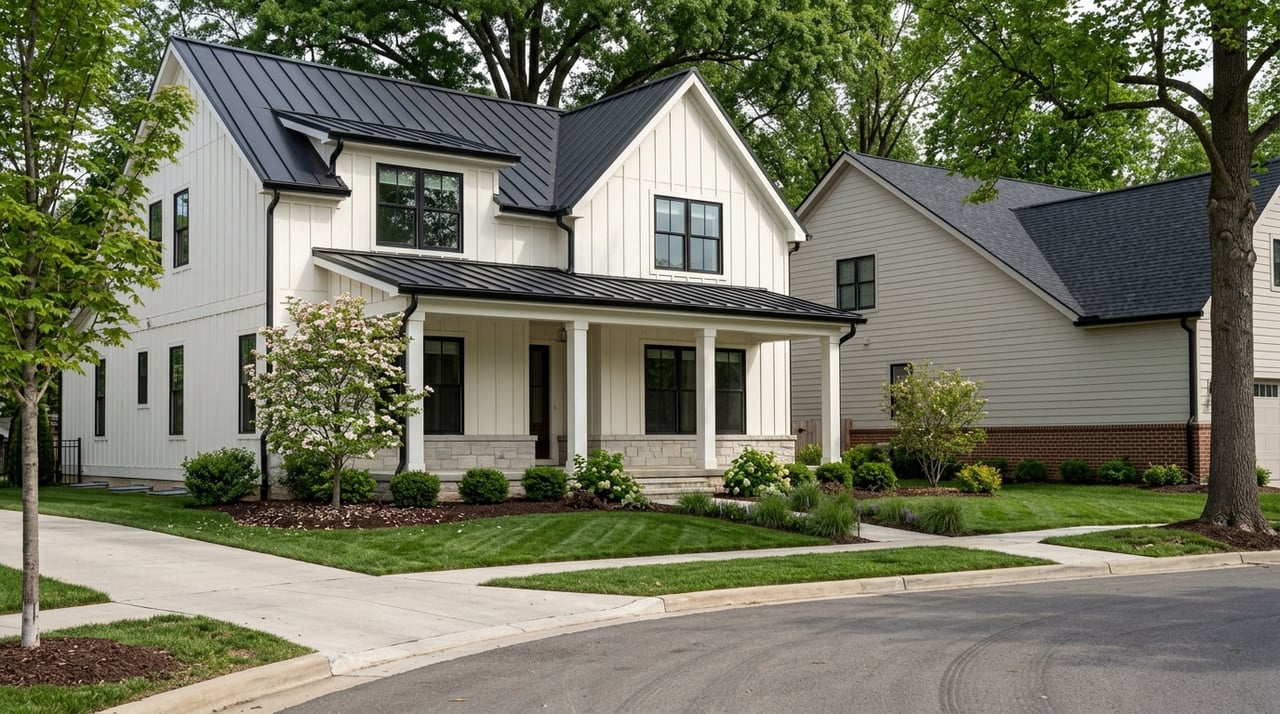
Older Urbana materials show the broader design style used across the community, including neo-traditional architecture, front porches, alleyways, and narrow-lot townhome planning. Earlier sections also included other housing formats, such as main-level living homes, villas, condos, and single-family homes, but those earlier offerings may not reflect what you can buy new today.
How to Tour Model Homes Smartly
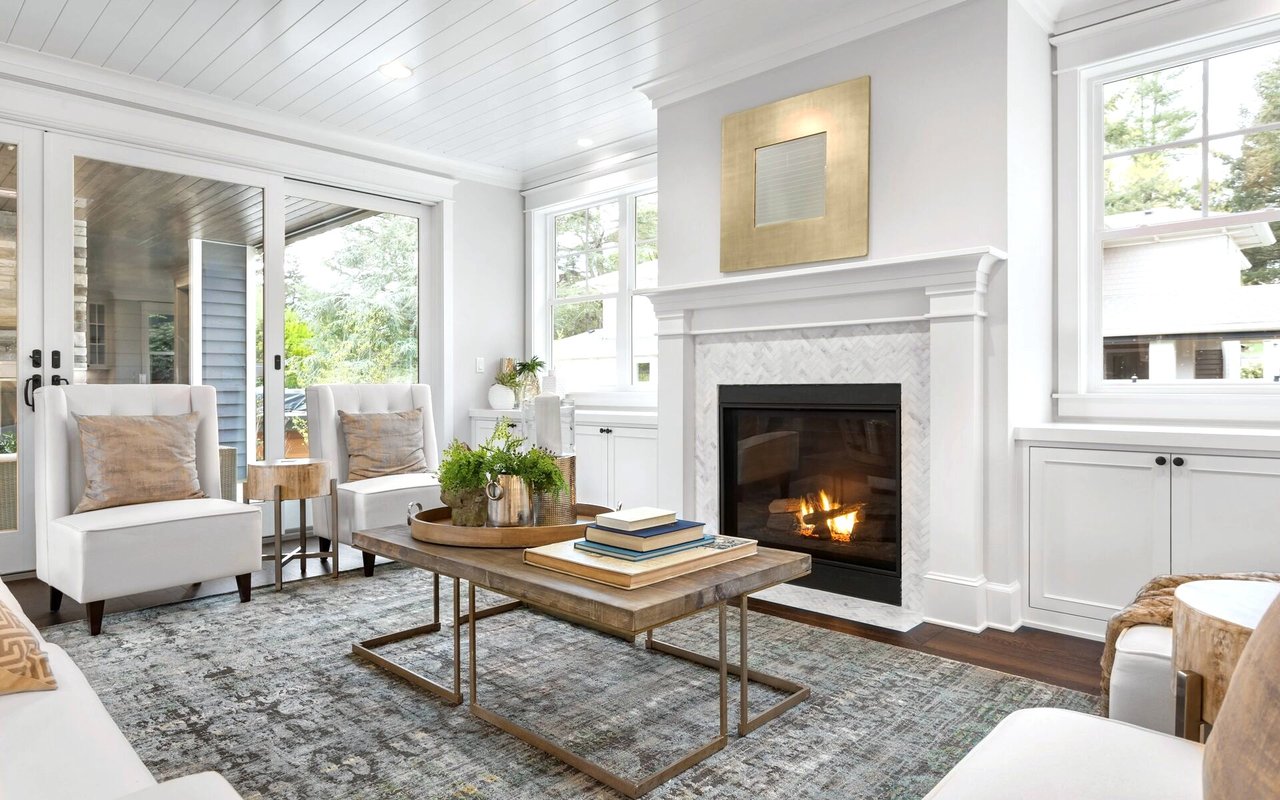
A model home is helpful, but it should be treated as a comparison tool, not a promise of what the base home includes. Builder materials note that prices, features, and available locations can change, and photos or renderings may show upgraded finishes and options.
That is why a model visit should go beyond admiring the layout. You want to leave with a clear understanding of what comes standard, what costs extra, and how each choice affects your final number.
When you visit, ask for these items in writing:
- Standard feature list
- Lot premium sheet
- Option and upgrade pricing
- Floorplan-specific availability
- Estimated construction or completion timing
- Community fees and document package details
This step is especially important in Urbana, where the current public options are concentrated in a limited set of phases. When inventory is more focused, small pricing differences in lot selection, structural options, and finish packages can have a big impact on value.
Compare Floorplans Beyond Square Footage
It is easy to compare homes by size alone, but that rarely tells the full story. In Urbana, public materials show common option patterns like a first-floor bedroom or suite, a fourth-floor suite and loft in some prior offerings, and other layouts centered on main-level living.
For your day-to-day life, the better question is how the home functions. A 3-level or 4-level townhome may look similar on paper, but the way bedrooms are distributed, where the main living area sits, and whether the home includes flexible space can change how well it fits your routine.
As you compare plans, consider:
- How many levels you want to use every day
- Whether you need guest space or a home office
- If a first-floor bedroom or suite would help
- How much outdoor space comes with the lot
- Whether garage and storage space meet your needs
If you commute along I-270 or expect your needs to change over time, functionality matters just as much as finish level. A thoughtful layout can support both your current lifestyle and future resale appeal.
Know What the Contract Controls
In Maryland, the contract is a major part of the new-construction process. State guidance says builders must provide a New Home Disclosure Form before the purchase contract is signed, and many new-home deposits must be protected by escrow, surety bond, or letter of credit.
Maryland’s materials also make clear that contract terms affect deposits, change orders, warranty coverage, settlement timing, and what happens if the home is delayed. That means the paperwork is not just a formality. It is the roadmap for your transaction.
Builder terms also reinforce that prices, features, and completion timing can change. In practical terms, you should treat delivery dates as estimates unless your signed contract states something more specific.
Before you sign, make sure you understand:
- How your deposit is handled
- Which upgrades are locked in and when
- How change orders work
- What the warranty covers
- What happens if construction is delayed
- How settlement timing is defined
Maryland Attorney General guidance also notes that buyers can consult an attorney if they need extra help. For many buyers, especially first-time new-construction buyers, having strong guidance during contract review can make the process feel much more manageable.
HOA Rules and Community Documents Matter
One of Urbana’s biggest draws is its amenity package. Public community materials describe three pools, a waterpark with two slides and a lazy river, a lap pool, a tot pool, tennis courts, miles of walking and biking trails, parks and ballfields, community gardens, a farm market, shopping at Urbana Market District, and a planned South County Family YMCA.
Those amenities can be a real lifestyle benefit, but they also come with community rules and shared costs. The Villages of Urbana site says the community uses comprehensive architectural guidelines and emphasizes historical and environmental sensitivity across residential and commercial areas.
For you as a buyer, that suggests exterior changes may be review-driven. Before signing, ask for the current community documents and review the rules on items such as:
- Fences
- Landscaping changes
- Additions or exterior alterations
- Parking rules
- Architectural approval process
- Transfer fees
- HOA budget information
- Any special assessments
This is one area where buyers sometimes focus too heavily on the home itself and not enough on the long-term ownership experience. In a planned community like Urbana, both pieces matter.
Amenities, Schools, and Commute Context
When you buy in Urbana, you are buying more than a floorplan. You are also buying into a larger community framework that many buyers weigh alongside price and layout.
The public community site identifies Sugarloaf Elementary, Urbana Middle, and Urbana High as the local school path. If school assignment is important to your planning, it is wise to verify current attendance information as part of your due diligence.
Commuter context also matters here. Frederick County planning places Urbana in the I-270 growth corridor, so many buyers compare access, travel patterns, and future resale potential as part of the decision-making process.
That broader lens can help you avoid choosing a home based only on finishes. A smart decision usually balances the house, the community, and your day-to-day logistics.
Why Side-by-Side Comparison Helps
In Urbana, one of the biggest challenges is not a lack of information. It is sorting the right information in a useful way. Because current public inventory is concentrated in a few phases and builder terms are not uniform, buyers often benefit from comparing options side by side.
That means looking at more than the base price. You want to compare lot premiums, upgrade packages, HOA obligations, estimated completion windows, and contract details together.
A clear comparison can help you answer practical questions like:
- Is the lower base price really the better value?
- How much are options changing the final cost?
- Does one lot justify its premium?
- Are the timeline expectations realistic for your move?
- Which home gives you the best fit for daily life and long-term plans?
This is where local, hands-on guidance can be especially valuable. In a community like Urbana, the best choice is often the one that fits your budget, timeline, and lifestyle most clearly, not just the one with the flashiest model home.
If you are exploring new construction in Urbana and want a clear, practical plan, working with a local advisor can make the process much easier. Melissa Lambert helps buyers compare communities, understand the details, and move forward with confidence.
FAQs
What new construction is currently selling in Urbana?
- Public community information currently highlights Market District as the active offering, while several earlier Urbana sections are listed as sold out or completed.
What home types are available in Urbana new construction right now?
- The current public offering in Market District features larger 3- and 4-level townhomes with 2-car garages, multiple bedrooms, and up to 4.5 baths.
What should you ask during a model-home visit in Urbana?
- Ask for a written list of standard features, lot premiums, option pricing, available homesites, estimated completion timing, and community fee details.
How are new-home deposits handled in Maryland?
- Maryland guidance says many new-home deposits must be protected by escrow, surety bond, or letter of credit, and deposit terms should be reviewed carefully in the contract documents.
What HOA questions should you ask in Urbana communities?
- Ask for the current community documents and review architectural guidelines, parking rules, fence and landscaping rules, transfer fees, budget information, and any special assessments.
What schools are identified for the Villages of Urbana?
- Public community materials identify Sugarloaf Elementary, Urbana Middle, and Urbana High as the local school path.
Why is buyer representation helpful for Urbana new construction?
- Because pricing, lot premiums, upgrades, timelines, and contract terms can vary, having help with side-by-side comparisons can make it easier to evaluate the full picture.